The Pavement Museum: Ten British Street Objects Worth a Detour
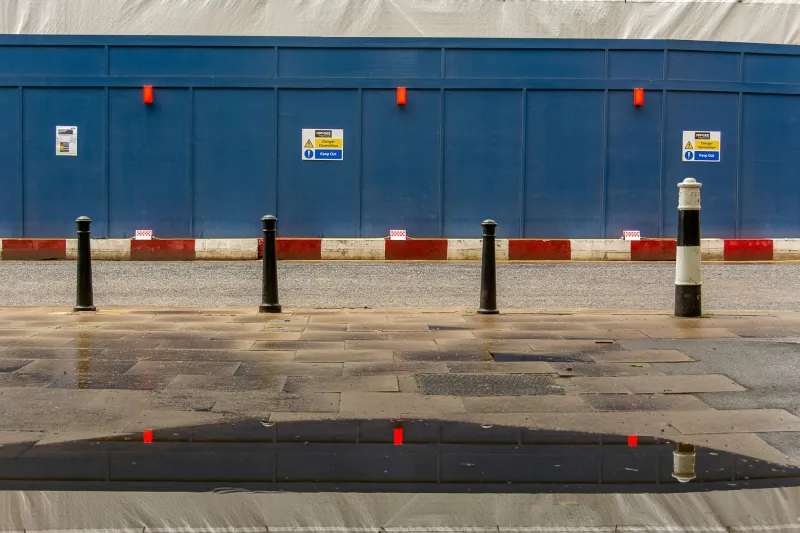
Britain is an open-air museum, but most people walk past the best exhibits at ankle height. We are a nation of bollards, benches, bins and mysterious concrete lumps, all quietly doing their jobs while nobody gives them a second glance. This is a shame. Street furniture is civic punctuation: it tells you where the pavement ends, where the cars should not go and where the council had a bit of budget left in March.
So here is a field guide to ten curious specimens. It is not definitive, and it is certainly not scientific. It is an excuse to look down, take a detour and annoy your companions by saying, 'Ooh, that is a good bollard.'
Why street furniture deserves a second look
Most of us notice street furniture only when we walk into it. But look properly and you find local history, municipal humour and the occasional act of Victorian recycling. A bollard can be a old cannon. A bench can be a memorial to somebody's dog. A bin can look like a mushroom that has escaped from a fairy tale. These are free attractions, open all hours, and usually within walking distance of a cup of tea.
The trick is to treat the pavement like a gallery. Go slowly. Look at the joins, the finials, the plaques and the paint. Ask why a particular object is there, and who decided it should look like that. You will not always get an answer, but the question is half the fun.
How to hunt street furniture without being a nuisance
A few ground rules. Do not stand in the middle of a busy pavement to take a photograph. Do not climb on things, especially not the cannon bollards, which have done their time. Do not remove plaques, stickers or mysterious bits of metal. If you are somewhere private, ask first. And if a piece of street furniture looks genuinely dangerous, tell the council rather than adding it to your scrapbook.
Also: carry a small notebook. You will think you will remember the exact location of the excellent dolphin-shaped bollard, and you will not. Write it down, ideally with a rough sketch that looks like a potato.
Ten specimens to seek out
1. The cannon bollards of the old docks. In places like London's Docklands, Leith and Portsmouth, you can find bollards that are reputedly old cannons sunk muzzle-up into the ground. The story goes that Victorian engineers reused surplus naval hardware as pavement furniture. Whether or not every single one is a genuine cannon, the effect is wonderful: defence turned domestic, a weapon of war doing the job of stopping a van from parking on the quay.
2. The acorn-topped bollards of old market towns. Once you start noticing acorn finials, you cannot stop. They turn up in places like Bath, Stamford and various self-consciously historic high streets, usually painted black and standing with the quiet confidence of a small architectural award. They are not exotic. They are just better than they need to be, which is a very British virtue.
3. Brighton's seafront pebble bollards. The seaside has a long tradition of pretending concrete is something more charming. Along parts of the Brighton seafront you can find bollards and barriers that resemble oversized pebbles, as if the beach has started to colonise the pavement. It is a reminder that street furniture does not have to be stern. Sometimes it can look like a rock that has been to art school.
4. Sheffield's steel pegs. In a city built on steel, it makes sense that some street furniture looks like it was designed by someone who really liked metal. Look for chunky stainless-steel bollards and sculptural seating around the city centre. They are practical, slightly brutal and strangely handsome, like a bench that has been to the gym.
5. Cardiff Bay's dragon bollards. Cardiff has a talent for putting dragons on things, and the bay area is no exception. Keep an eye out for decorative bollards and street details that lean into the national symbol. It is municipal branding done with a wink, and it makes a change from another grey post with a reflective strip.
6. Belfast's shipyard mooring bollards. In the Titanic Quarter and around the old docklands, you can find heavy mooring bollards that once helped hold ships in place. They are street furniture in the broadest sense: massive, industrial and absolutely not designed to be moved by a bloke with a trolley. Stand beside one and you can almost hear the rope straining.
7. The mushroom-shaped litter bin. Every so often, a council decides that a bin should look like a fungus. The result is a cheerful little object that appears to have sprouted from the pavement overnight. They turn up in seaside towns, parks and civic squares, usually painted a colour that makes you think of 1970s cookware. Find one, photograph it, and resist the urge to call it a toadstool.
8. The bench with the worst view in town. Every settlement has one: a bench placed with great confidence and a view of a car park, a bin store or a blank wall. Sit on it for five minutes and enjoy the absurdity. This is not a failure of town planning. It is a free lesson in human optimism.
9. The hyper-specific memorial bench. Look for a plaque that reads something like, 'In memory of Derek, who liked to sit here and complain about the pigeons.' These benches are the closest thing Britain has to unofficial biography. They are funny, moving and a reminder that street furniture is often personal.
10. The mystery concrete cube. New towns and ring roads are full of them: concrete blocks, cubes and blobs that may be bollards, barriers or the remains of a traffic experiment. Milton Keynes is a good hunting ground, as are various business parks where the landscaping budget ran out. Nobody knows what they are for. That is their charm.
The joy of looking down
The great thing about a street-furniture hunt is that it costs nothing and improves any walk. You do not need a ticket, a guidebook or a special pair of shoes. You just need to slow down and pay attention to the bits of the world that are usually beneath your notice.
Here at Bosue, we are fond of offline curiosities that do not require a subscription or a queue. A good bollard is one of them. It is not glamorous. It will not change your life. But it might make you smile on the way to the shop, and that is worth a small detour.
So next time you are out, look down. The pavement museum is open.