The Tupperware Treasury: A Roadside Audit of Britain’s Honesty Boxes
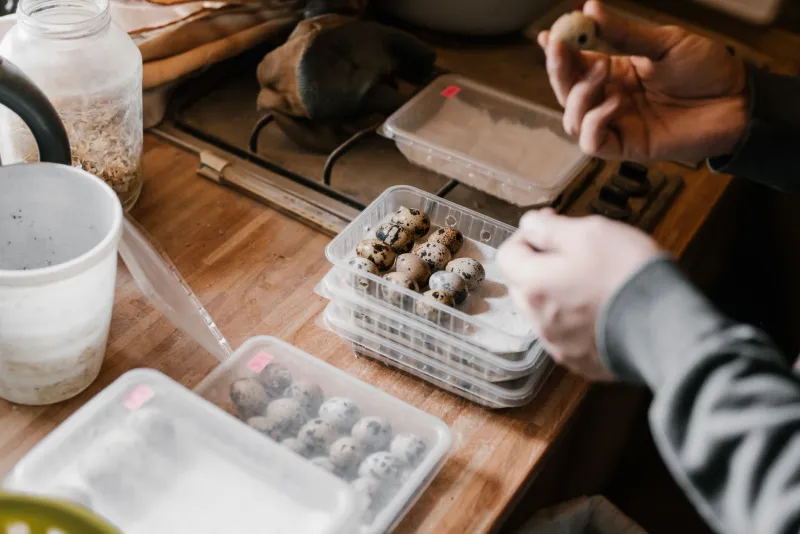
Somewhere between a farm shop and a fairy door, Britain runs a parallel retail network. It has no loyalty card, no self-checkout, no muzak and absolutely no chance of a refund. Its shopfront is a gate, a lay-by or a length of frayed baler twine. Its stock is eggs, jam, courgettes, dahlias and the occasional sack of potatoes. Its payment system is a Tupperware tub and your conscience.
The roadside honesty box is not really a shop. It is a small civic experiment conducted in daylight, with eggs. And like any British institution, it comes with rules that nobody has written down but everybody somehow knows.
The sign is the shopfront
An honesty box begins with a notice. Sometimes it is a laminated A4 sheet that has gone the colour of old Sellotape. Sometimes it is a piece of wood with the words EGGS and £1.50 in marker pen, plus an arrow pointing at a cool box. Occasionally it is a full manifesto: eggs, jam, rhubarb, kindling, no change given, please close the lid, thank you.
The signage is where the box reveals its personality. A tidy box has a price list. A chaotic box has a price list in biro on the back of an envelope, weighted down with a stone. A box that has seen things has a sign saying PLEASE DO NOT LET THE DOG OUT, which is not retail information so much as a warning from local history.
You can learn a lot from the lettering. Capital letters suggest urgency. Bubble writing suggests a child has been involved. A tiny laminated card that says 'honesty box' in a font that looks like a wedding invitation suggests someone in the household has strong opinions about kerning.
Pricing by vibes and coinage
The honesty box economy runs on exact change, or at least the sincere intention to provide it. Prices are usually round: £1, £1.50, £2, maybe £3 for a big bunch of flowers. This is not because the vendor lacks ambition. It is because the entire system depends on the buyer being able to find the right coin without a calculator, a card reader or a member of staff.
The £1 coin is the patron saint of the honesty box. The 50p is its junior minister. A £2 coin is a generous mood. A twenty-pound note is a hostage negotiation. If you only have a twenty, you are expected to either buy a great deal of jam or drive away in shame.
Some boxes have a little tub of change for self-service transactions. This is the closest Britain gets to a cashless society: a margarine tub with £4.20 in it and a note saying please take your change. It is both charming and a small test of character. The correct behaviour is to take only what you are owed. The incorrect behaviour is to treat it as a lucky dip.
Weatherproofing as folk art
The British honesty box is a masterclass in improvised engineering. Stock must be protected from rain, wind, foxes and the occasional curious dog. The solutions are rarely elegant and always memorable.
Eggs sit in a cool box with a brick on the lid. Jam jars are arranged in a plastic crate with a tea towel over them. Courgettes are piled in an old washing-up bowl that once held something else entirely. Flowers stand in a bucket of water, which is fine until the bucket develops a lean and the whole display becomes a still life called 'Dahlias, After the Storm'.
The cash box is the most sacred object. It might be a Tupperware tub, an ice-cream container or a Quality Street tin that has been repurposed with grim determination. It will have a slot cut into the lid, usually with a knife and not much planning. It will be weighted down with a stone. It will not be emptied often enough. And it will be trusted with more money than you would leave in an unattended coat pocket.
The etiquette of exact change
The honesty box has an unspoken rulebook. You take what you need. You leave the right money. You close the lid. You do not rummage. You do not haggle with a laminated sign. You do not ask for a receipt, a bag or a loyalty stamp.
The hardest rule is the exact change. There is a particular kind of British panic that occurs when you realise you have a £10 note and the eggs are £1.20. You stand at the gate, holding the note, trying to decide whether to overpay by £8.80 or drive to a petrol station for a bag of Minstrels and some coins. The box does not care. The box is not a bank. The box is a test.
There is also the matter of the IOU. Some boxes have a little notebook for people who promise to pay later. This is a beautiful idea and a terrible business model. The notebook is usually full of names, dates and amounts, with a few entries that look like they were written by someone who fully intended to return but then moved house.
What the box tells you
The honesty box is a tiny census of local life. It tells you what is growing too well. It tells you who has a glut of courgettes and who has given up pretending they can eat them all. It tells you that the village has a jam-maker with strong opinions about damson, and that someone nearby is selling kindling at a price that suggests they have a chainsaw and a spare afternoon.
It also tells you that trust is not dead. It is just sitting in a plastic tub by a gate, waiting for someone to leave the correct coin and close the lid properly. No app. No account. No terms and conditions. Just eggs, jam, exact change and the quiet theatre of being trusted.
If you see one, stop. Buy something. Leave the right money. And whatever you do, do not let the dog out.